%2Ffit-in%2F250x250%2Fguide_websites%2F121853%2Fimages%2F1773967002555nomadfamilycharters-logo.png&w=1920&q=100)
/users/077c90fc-b764-417e-ab9d-b9d2a5791768/ratecard/503650579_17864595711422243_3514750074016760681_n1-mmy4vkim.jpg)
%2F300x300%2Fusers%2F077c90fc-b764-417e-ab9d-b9d2a5791768%2Fratecard%2F503650579_17864595711422243_3514750074016760681_n1-mmy4vkim.jpg&w=256&q=75)
%2F300x300%2Fusers%2F077c90fc-b764-417e-ab9d-b9d2a5791768%2Fimages%2Fblack-sea-bass-rehoboth-beach-2647.jpg&w=256&q=75)
%2F300x300%2Fusers%2F077c90fc-b764-417e-ab9d-b9d2a5791768%2Fimages%2Fblack-sea-bass-rehoboth-beach-2648.jpg&w=256&q=75)
%2F300x300%2Fusers%2F077c90fc-b764-417e-ab9d-b9d2a5791768%2Fimages%2Fhogfish-catch-rehoboth-beach-fishing-2727.jpg&w=256&q=75)
%2F300x300%2Fusers%2F077c90fc-b764-417e-ab9d-b9d2a5791768%2Fimages%2Frehoboth-beach-fishing-catch-2568.jpg&w=256&q=75)
%2F300x300%2Fusers%2F077c90fc-b764-417e-ab9d-b9d2a5791768%2Fimages%2Ffishing-day-rehoboth-beach-marina-2635.jpg&w=256&q=75)
%2F300x300%2Fusers%2F077c90fc-b764-417e-ab9d-b9d2a5791768%2Fimages%2Fspeckled-trout-rehoboth-beach-catch-2604.jpg&w=256&q=75)
%2F300x300%2Fusers%2F077c90fc-b764-417e-ab9d-b9d2a5791768%2Fimages%2Fcalifornia-flounder-rehoboth-beach-catch-2655.jpg&w=256&q=75)
%2F300x300%2Fusers%2F077c90fc-b764-417e-ab9d-b9d2a5791768%2Fimages%2Ffishing-rehoboth-beach-delaware-boat-2396.jpg&w=256&q=75)
%2F300x300%2Fusers%2F077c90fc-b764-417e-ab9d-b9d2a5791768%2Fimages%2Frehoboth-beach-summer-flounder-2586.jpg&w=256&q=75)
%2F300x300%2Fusers%2F077c90fc-b764-417e-ab9d-b9d2a5791768%2Fimages%2Fblack-sea-bass-rehoboth-beach-2507.jpg&w=256&q=75)
Bethany Beach Wreck Fishing Charter | Nomad
 Bethany Beach, DE
What you will be catching:
 Bluefish
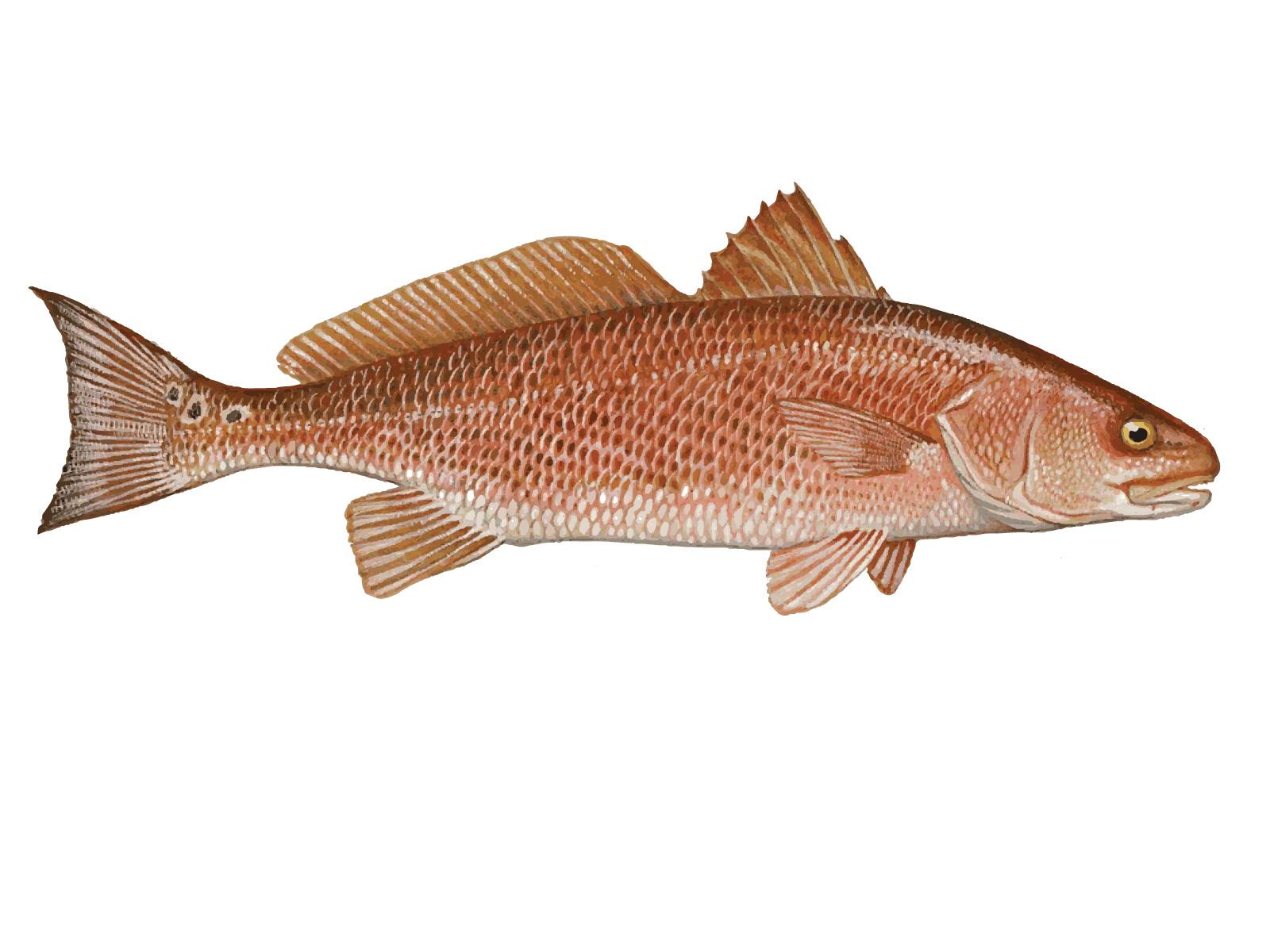
 Redfish
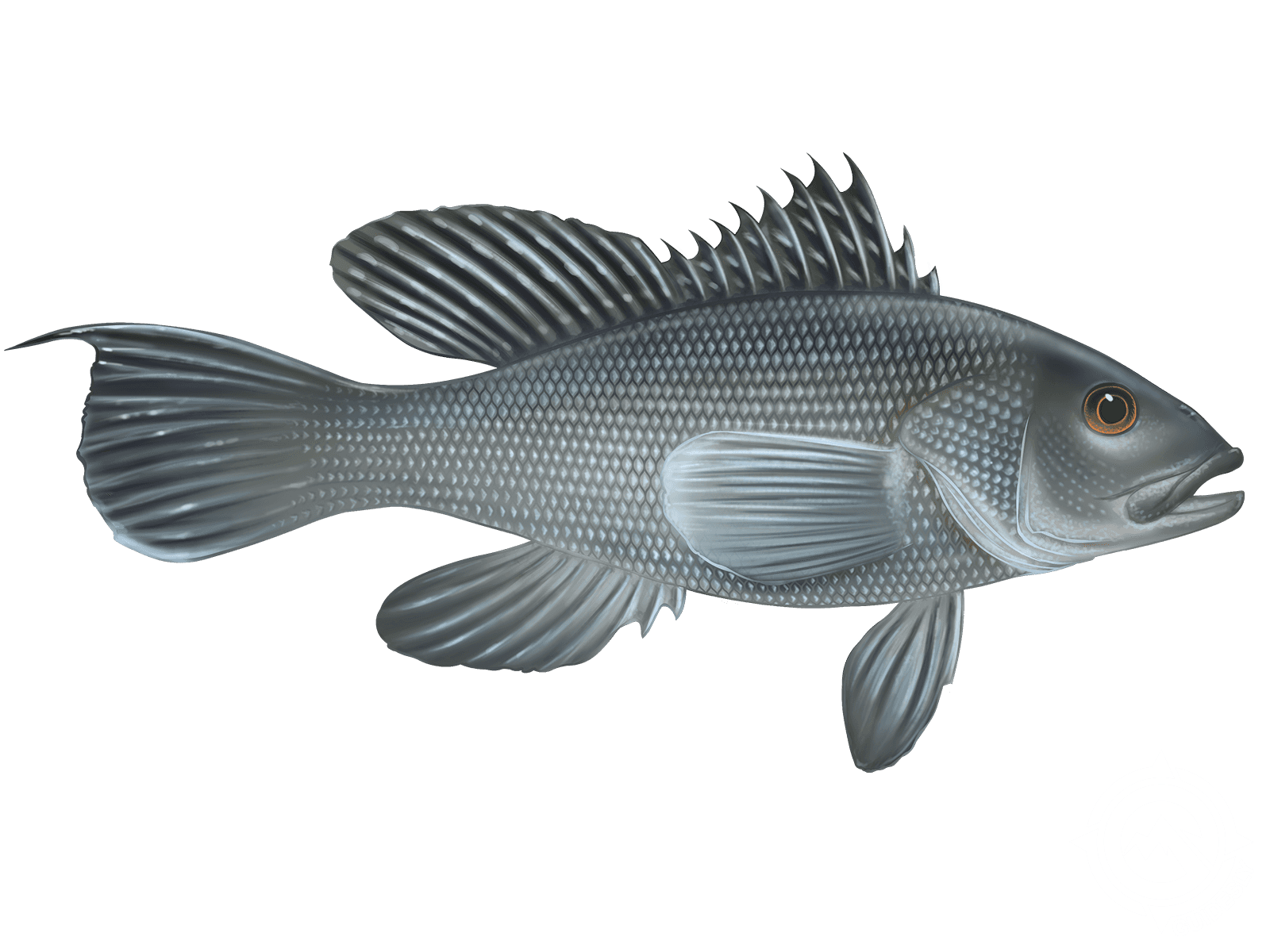
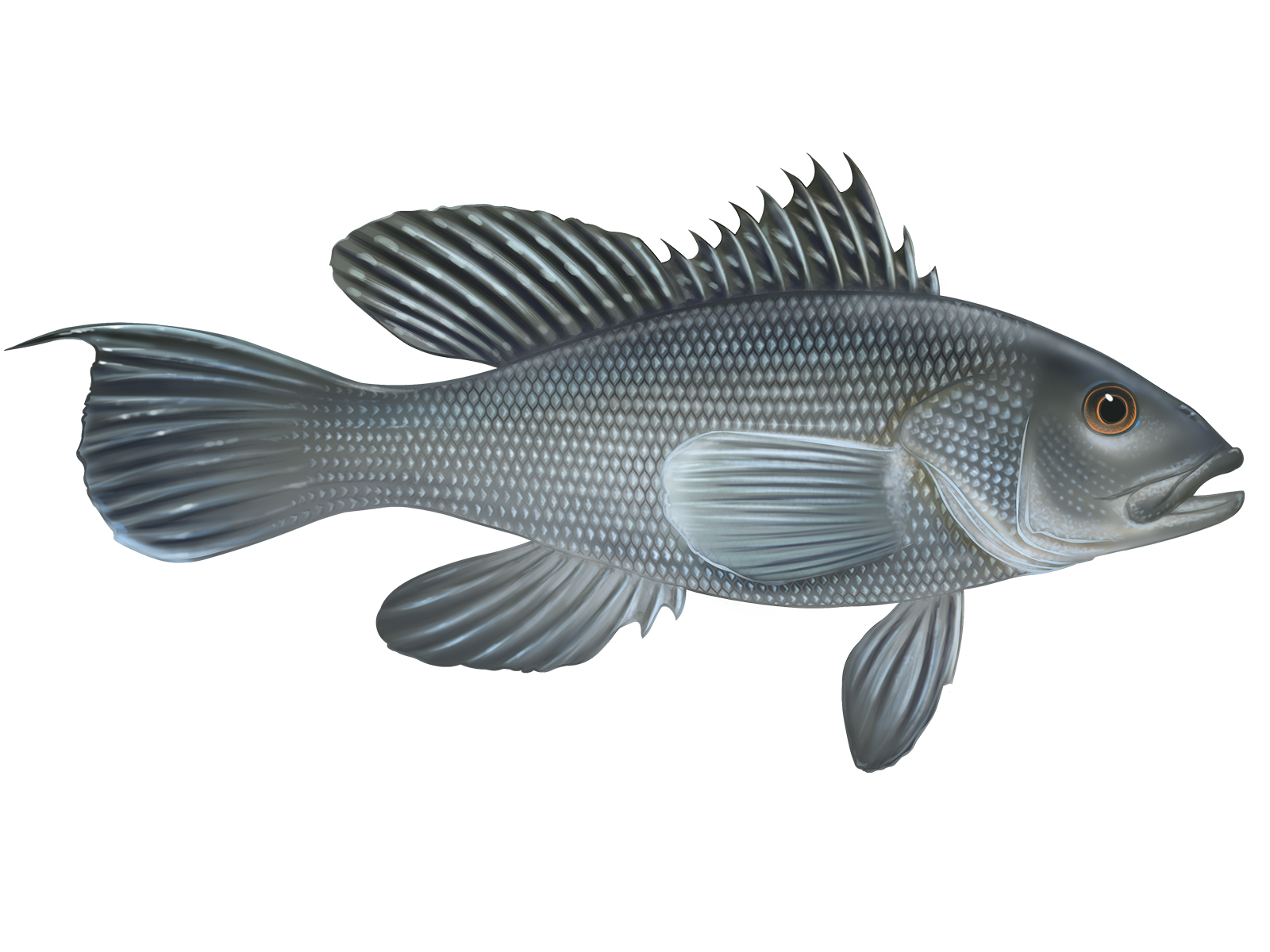 Sea Bass
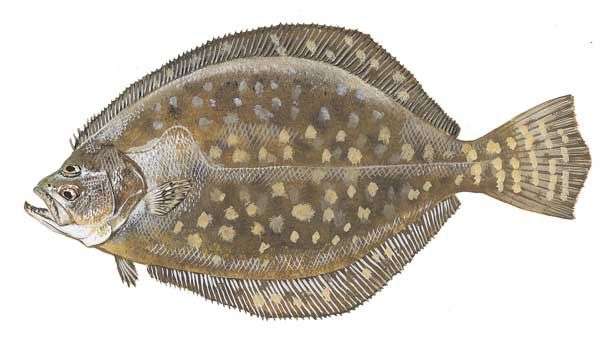
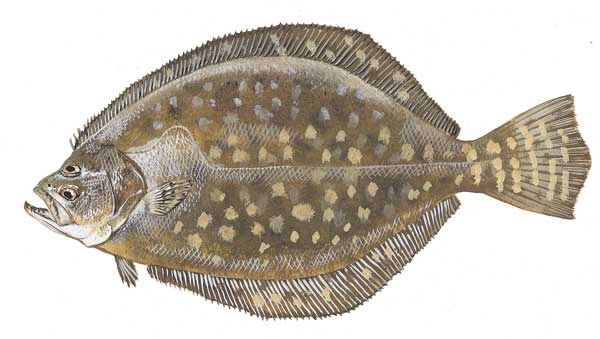 Southern Flounder
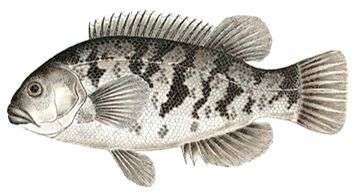
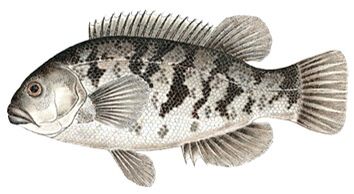 Tautog
- This 6-hour wreck fishing charter takes you out from Bethany Beach to some of the best structure fishing spots along the Delaware coast. Captain Chris Swisher knows these Atlantic wrecks like the back of his hand, and you'll be targeting flounder, seabass, rockfish, and whatever else is biting based on the season. The 23-foot Jones Brothers boat handles the ocean swells nicely, and everything's included
- rods, reels, bait, tackle, plus snacks and drinks. Perfect for beginners or experienced anglers since the captain provides all the guidance you need. You can bring up to 4 people for the base rate, with room for one more if needed. Just bring yourself and maybe pack a lunch in something waterproof.
Trip Pricing and Availabilities:
Bethany Beach Wreck Fishing With Captain Chris
When you're ready to get serious about bottom fishing along the Delaware coast, Captain Chris Swisher's wreck fishing charter delivers the goods. This isn't your typical half-day bay trip – we're talking six hours of real Atlantic Ocean fishing on productive structures that hold some of the best eating fish in these waters. From his 23-foot Jones Brothers boat, Chris knows exactly where to put you on flounder, sea bass, and whatever else is biting based on the season. The $650 rate covers four anglers completely, and if you've got a fifth buddy who wants in, it's just another $100. Everything's included except your fishing license, so you can focus on what matters most: putting fish in the cooler.
What to Expect on the Water
Captain Chris runs a no-nonsense operation that starts early and fishes hard. You'll launch from Bethany Beach and head out to his go-to wrecks and structures – spots he's been working for years and knows like the back of his hand. The Jones Brothers boat is built for this kind of fishing, stable enough to handle the Atlantic swells while giving everyone room to fish comfortably. Chris provides all the rods, reels, terminal tackle, and bait you'll need, plus he's always got backup gear ready if something breaks off on a big fish. Light snacks, drinks, and ice are part of the deal, though you're welcome to pack your own food in waterproof containers. Just bring your enthusiasm and maybe some Dramamine if you're not used to ocean fishing – those six hours go by fast when the fish are cooperating.
Wreck Fishing Techniques
Wreck fishing is all about precision and patience. Chris positions the boat over structure using his electronics, then it's a matter of getting your bait down to where the fish are holding. Most of the time, you'll be using conventional tackle with enough weight to reach bottom and stay there despite the current. Circle hooks are the standard here – they hook fish in the corner of the mouth and reduce gut-hooking, which is better for the fish and easier for you. Chris will set you up with the right rig for conditions, whether that's a high-low setup for sea bass or a bucktail and strip combo for flounder. The key is keeping your bait near the bottom where these fish feed, and being ready when something picks it up. Don't expect the rod to bend in half – most bites feel like you're hung up on the wreck until you lift and feel the fish shake its head.
Species You'll Want to Hook
Southern flounder are the bread and butter of this fishery, and for good reason – they're some of the best eating fish in the ocean. These flatfish love hanging around wrecks and structure where they can ambush baitfish and crabs. Spring through fall is prime time, with the bigger "doormat" flounder showing up in late fall before they head offshore to spawn. What makes flounder fishing exciting isn't the fight – it's the challenge of feeling that subtle pickup and the satisfaction of seeing a nice flatfish come over the rail. Plus, nothing beats fresh flounder fillets on the dinner table.
Sea bass are year-round residents on these wrecks and they're always willing to eat. These chunky bottom dwellers hit hard and fight surprisingly well for their size, often diving straight back toward the wreck to try and cut you off. The good news is they're not picky eaters – squid, clams, and cut bait all work great. Sea bass in the 12-18 inch range are common, with bigger fish possible depending on the season and current regulations. They're also excellent table fare with firm, white meat that works in just about any recipe.
Tautog, or "tog" as most anglers call them, are the bruisers of the wreck fishing world. These black, thick-bodied fish have powerful jaws designed for crushing crabs and mussels, which means they can make short work of your tackle if you're not ready. Fall and early winter are peak times for tog fishing, when they move onto the wrecks to feed heavily before winter. Green crabs and white leggers are the go-to baits, and you'll need stout tackle to pull these fish away from their rocky homes. A good tog is worth the effort – their meat is sweet and firm, perfect for chowder or simply pan-fried.
Redfish are the wild cards on these offshore wrecks, especially during their fall migration. When schools of reds move through, the action can be absolutely crazy with multiple hookups and fish in the 20-30 pound range. These copper-colored fighters are pure muscle and will test your gear and your arms. They're not as common as the other species, but when they show up, everyone on the boat knows it. The smaller ones make great eating, while the big breeders are usually released to fight another day.
Bluefish round out the mixed bag and can show up anytime from spring through late fall. These voracious predators travel in schools and when you find them, fast action is almost guaranteed. Blues hit hard and fight dirty, often jumping and tail-walking when hooked. They're excellent smoked or grilled fresh, though their oily meat doesn't keep as long as some other species. When the blues are around the wrecks, it usually means there's plenty of baitfish in the area – which often translates to better fishing for everything else too.
Time to Book Your Spot
Captain Chris Swisher has built his reputation on putting anglers on fish, and this six-hour wreck fishing charter is perfect for anyone looking to get into some serious bottom fishing. Whether you're a seasoned angler or just getting started, Chris will put you on fish and make sure you have everything you need for a successful day. The private charter format means you're fishing with your own group at your own pace, without dealing with crowded party boats or strangers. At $650 for up to four
Learn more about the species
Bluefish
Bluefish are the aggressive sharks of our mid-water fishing. These torpedo-shaped fighters typically run 2-10 pounds with razor-sharp teeth and an attitude to match. They roam in schools around our wrecks and open water, chasing baitfish from spring through fall. What gets anglers fired up is their explosive strikes and bulldogging runs - they'll test your drag and keep you busy. The smaller "snappers" are great for kids, while the bigger blues provide serious fights. They're good eating when handled properly, especially the smaller ones under 5 pounds. These fish are known for their feeding frenzies where they'll attack anything that moves. Safety tip: always use a wire leader and be careful when unhooking - those teeth can do serious damage. When you find birds diving and water churning, get your lures in fast because the blitz won't last long.
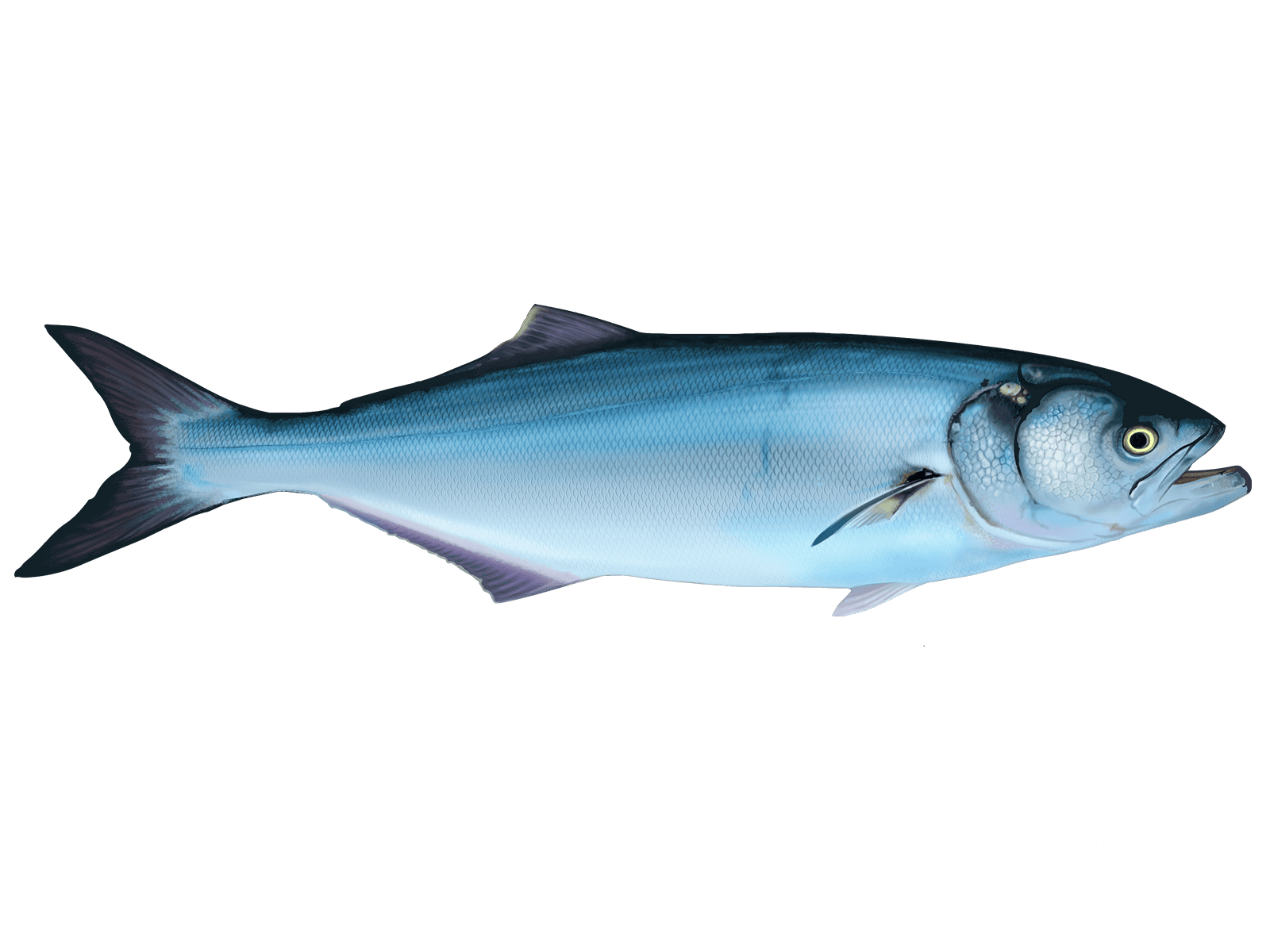
Redfish
Redfish are easy to spot with their copper-red backs and distinctive black eyespots near the tail. Most of what we catch here run 20-30 inches, though bigger fish show up around deeper structures. They love hanging around our wrecks and reefs, especially during spring and fall when they're most active. What makes them special is that powerful run when hooked - they'll peel line and give you a real workout. Plus, they're some of the best eating fish we target, with sweet, flaky meat that's perfect for the grill. These fish can live 40+ years, so treat the big breeders with respect. My tip: when you feel that first thump, don't set the hook right away. Let them run with it for a few seconds - redfish like to mouth the bait before committing.
Sea Bass
Black sea bass are the bread and butter of our wreck fishing trips. These chunky, dark-colored fish typically run 12-16 inches and weigh 1-3 pounds, though we occasionally see bigger ones pushing 5+ pounds. They live right on the bottom around hard structure - wrecks, reefs, and rocky areas where they can ambush prey. Spring through early fall is prime time when they're actively feeding. What guests love about sea bass is they're aggressive biters and put up a solid fight for their size. They're also fantastic table fare - sweet, white meat that's prized in restaurants. These fish travel in schools, so when you find one, there's usually more nearby. Pro tip: drop your bait right to the bottom and keep it moving slightly. Sea bass hit fast and hard, so stay alert or you'll miss them.
Southern Flounder
Southern flounder are the masters of camouflage on our sandy and muddy bottoms. These flatfish typically run 15-20 inches, with both eyes on their left side - a sight that always gets guests talking. They bury themselves in sand near structure edges, waiting to ambush prey swimming by. Fall is prime time when they're fattening up and moving toward deeper water for winter. What's fun about targeting them is the surprise factor - you never know when that seemingly dead bottom will come alive. They're also top-notch eating with sweet, delicate meat that's perfect for any preparation. These ambush predators can change color to match the bottom, making them nearly invisible until they strike. Best tip: fish moving baits like minnows or soft plastics slowly along the bottom. When you feel that distinctive flounder bite - more like dead weight than a strike - give them time to turn the bait before setting the hook.
Tautog
Tautog, or blackfish, are the bulldogs of our wreck fishing. These thick, powerful fish average 2-4 pounds but can reach 10+ pounds around the right structure. They live tight to wrecks, reefs, and rocky bottom where they crush crabs and shellfish with their strong teeth. Late spring through early fall is best, especially when water temps hit 50+ degrees. What makes them special is their incredible fighting power - they'll try to wrap you around structure and test every knot. They're also excellent eating with firm, white meat. The challenge is their habitat - they stick so close to structure that you'll lose tackle, but that's where the fish are. My trick: use green crab bait and crush up the shells around your spot first. The scent draws them out, but change your bait every 5 minutes or it loses effectiveness.
About the The Nomad
%2F%2Fusers%2F077c90fc-b764-417e-ab9d-b9d2a5791768%2Fvehicle_picture%2Fboat-pic-2-2025-04-01-172847-800x4351-mmy4dn0f.png&w=1920&q=75)
Vehicle Guest Capacity: 5
Manufacturer Name: Yamaha
Maximum Cruising Speed: 45
Number of Engines: 1
Horsepower per Engine: 200